
The Maldives receives swell from two directions: southwest from April to October and northeast from November to March. The southwest monsoon brings the most consistent waves to the central atolls, with the season peaking from June to August. During these months, the Malé atolls see head-high to double-overhead waves at reef breaks such as Jailbreaks and Honky's, both a 20-30 minute boat ride from Malé. The northeast monsoon is smaller and less reliable for surfing, though the southern atolls can still pick up waist-high waves in December and January.
01
How the Maldivian Surf Season Works
Water temperatures stay around 28°C year-round, so a rash guard and boardshorts are usually enough. However, reef breaks can be shallow; booties are recommended for protection. The best months for consistent surf are June, July and August, but these also coincide with the rainy season, so expect passing showers and occasional thunderstorms. If you are a beginner, the shoulder months of April-May and September-October offer smaller, gentler waves and fewer crowds.
02
North and South Malé Atolls: The Surf Hub
The North and South Malé atolls are the most accessible surf zones, with several world-class breaks within a short speedboat ride from the airport. The most famous is Jailbreaks, a fast left-hand reef break that works best on a southwest swell. It is suitable for intermediate and advanced surfers. Another popular spot is Honky's, a right-hand break near Himmafushi island, which is more forgiving and popular with longboarders. For beginners, the Maldives Surfing Association recommends the breaks near Thulusdhoo, where the waves are smaller and the reef is deeper.
Accommodation options range from guesthouses on local islands like Thulusdhoo and Himmafushi to luxury resorts in North Malé. Guesthouses typically start around $50-80 per night, while resorts can be $300 and up. If you want to surf multiple breaks, staying on a local island gives you more flexibility and budget-friendly access to boats. Boat trips to the breaks cost around $20-30 per person, and many guesthouses arrange daily surf trips. I would book a guesthouse on Thulusdhoo for a week; it is a 30-minute speedboat ride from Malé and has a relaxed vibe with several breaks nearby.
03
Southern Atolls: Quieter Waves and Longer Boat Trips
The southern atolls of Huvadhu and Addu offer uncrowded waves and a more adventurous experience, but they require domestic flights or long boat transfers. Huvadhu, one of the largest atolls in the world, has several reef breaks that are rarely crowded. The season here runs from March to November, with the best waves from June to September. However, access is limited: you will need to fly to Kaadedhdhoo or Kooddoo airport, then take a speedboat to your accommodation. Resorts in Huvadhu are mostly high-end, with nightly rates starting around $500, and there are few guesthouses.
Addu Atoll, the southernmost, has breaks like Maa Kandu and Kottey, which are suitable for advanced surfers. The season is similar to Huvadhu, but the waves are less consistent. Accommodation is limited to a handful of guesthouses and one resort, with prices from $100 per night. The trade-off is fewer crowds and a chance to explore a less-visited part of the Maldives. If you are an experienced surfer looking for solitude, I would consider a liveaboard trip in Huvadhu, which gives you access to multiple breaks without the need for daily boat rides.
04
When to Book and What to Avoid
For the best surf, aim for June to August and book at least three months in advance, as guesthouses and budget resorts fill up quickly. Avoid the peak Christmas and New Year period if you are on a budget, as prices double and the waves are not at their best. Also, skip the northeast monsoon months (December to March) if surfing is your main goal; the waves are small and inconsistent. Instead, use that time for diving or snorkeling, which is excellent year-round.
If you are a beginner, consider booking a surf camp that includes lessons and equipment. Several guesthouses on Thulusdhoo offer packages that cover accommodation, meals, and surf guiding. Be mindful of local customs: when visiting inhabited islands, wear modest clothing away from the beach. Also, respect the reef by not standing on coral. For a balanced trip that combines surfing with culture, I would book a guesthouse on Thulusdhoo in July, and take a day trip to Malé to see the markets and mosques.
Where to stay
Hotels to consider
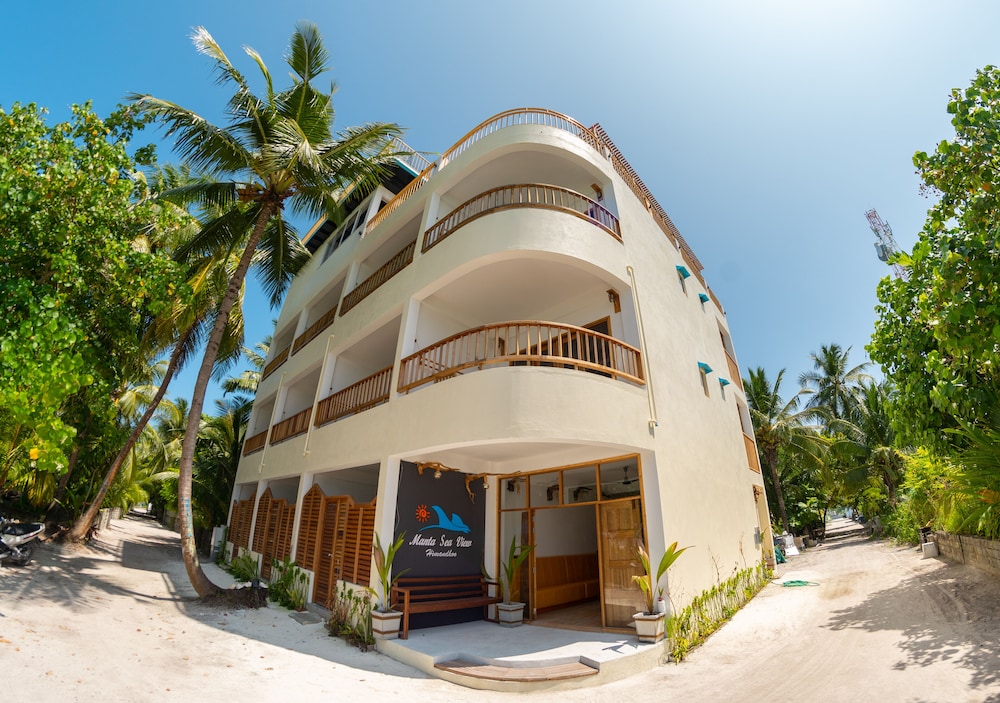
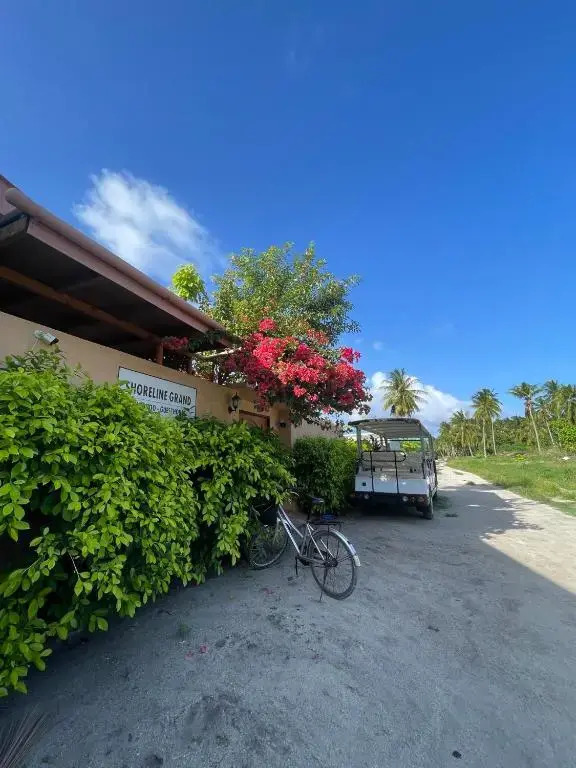
Where to stay
Hotels to consider
FAQ
Questions people ask
What is the best month for surfing in the Maldives?+
June to August offers the most consistent swell, especially in the North and South Malé atolls. Expect head-high to double-overhead waves at breaks like Jailbreaks. These months are also the rainy season, so pack a light rain jacket.
Are there surf schools for beginners?+
Yes, several guesthouses on Thulusdhoo and Himmafushi offer surf lessons and board rental. Beginner-friendly breaks have smaller waves and deeper reefs. Lessons typically cost $40-60 per session, including equipment.
Can I surf in the Maldives without a boat?+
Some breaks are accessible from shore, but most require a short boat ride. Local islands like Thulusdhoo have breaks within paddling distance, but for larger waves, you will need a boat. Guesthouses arrange daily trips for around $20-30.
What is the cheapest way to surf the Maldives?+
Stay in a guesthouse on a local island like Thulusdhoo or Himmafushi. Nightly rates start around $50-80. Combine this with boat trips to breaks and meals at local cafes to keep costs down.
Do I need to bring my own surfboard?+
It is recommended if you are particular about your board, but rentals are available at surf camps and guesthouses. Rental costs about $20-30 per day. Airlines may charge for board bags, so check with your carrier.
Which atolls are best for advanced surfers?+
The North and South Malé atolls have challenging breaks like Jailbreaks and Sultans. For more remote and uncrowded waves, consider Huvadhu Atoll, accessible via domestic flight and speedboat.
Is surfing safe in the Maldives?+
Surfing is generally safe, but reef breaks can be shallow and currents can be strong. Wear reef booties and know your limits. Surf with a buddy and consider hiring a local guide who knows the conditions.
What should I pack for a surf trip?+
Pack boardshorts, rash guards, reef-safe sunscreen, and a hat. Bring your own leash and fins for your board. A light rain jacket is useful for the southwest monsoon. Don't forget modest clothing for visiting local islands.


