
July sits in the southwest monsoon, so expect more rain and stronger winds than the dry season. Rainfall averages around 160mm across the country, but patterns vary: the southern atolls often see more consistent rain, while the north can be drier. Temperatures stay steady at 26–31°C, and humidity is high. Seas are rougher, especially on exposed western shores, which can affect boat transfers and some water sports. However, July also brings lower prices and fewer crowds, making it attractive for budget-conscious travellers who don't mind occasional showers.
01
What July Weather Really Means
The wind direction shapes daily life. Resorts on the eastern side of atolls are more sheltered, while western-facing beaches may have choppier water and seaweed. For snorkelling and diving, visibility can drop, but marine life remains abundant—mantas and whale sharks are still present in areas like Hanifaru Bay (Baa Atoll) and South Ari Atoll. If you're flexible, you can plan activities around the weather. Many resorts offer indoor alternatives like spas and cooking classes. The key is to embrace the unpredictability and enjoy the dramatic skies and lush greenery that the rains bring.
02
Choosing Your Island: North vs South
The northern atolls (such as Baa, Raa, and Lhaviyani) generally see less rain in July than the south. Baa Atoll is a UNESCO Biosphere Reserve and a top choice for manta ray sightings, though the seas can be rough. Resorts here are mostly high-end, with prices starting around $500 per night. The southern atolls (Gaafu Alifu, Gaafu Dhaalu, Addu) are wetter but offer a more authentic Maldivian experience and lower prices—guesthouses from $80 per night. Addu Atoll, near the equator, is less affected by the monsoon and has a distinct culture and British-era history.
For a balance of comfort and value, consider the central atolls (Kaafu, Alifu Dhaalu). Kaafu includes the capital Malé and the airport island Hulhumalé, making transfers easy. Resorts in South Malé Atoll are a 30–45 minute speedboat ride from the airport, with prices from $300 per night. Local islands like Maafushi and Dhigurah offer affordable guesthouses and are popular with budget travellers. In July, these central islands experience moderate rain but are convenient for day trips and excursions. If you prioritise diving, head to Ari Atoll, which is accessible by seaplane (25–40 minutes) and has numerous dive sites.
03
Transfers and Getting Around in July
Seaplane transfers are scenic but more susceptible to delays in July due to wind and rain. Prices are fixed by operators like Trans Maldivian Airways, typically $300–$600 return depending on distance. Speedboat transfers are more reliable and cheaper (from $50–$150), but can be bumpy in rough seas. If you're prone to seasickness, choose a resort close to the airport or consider a domestic flight. Domestic flights connect Malé to airports in Hanimaadhoo (north), Kadhdhoo (south), and Gan (Addu), with return fares around $200–$400.
Public ferries are the cheapest option but are slow and less frequent in July. The Malé–Maafushi ferry runs daily and costs under $5, but takes 1.5 hours. For island hopping, book speedboat transfers through your guesthouse. Once on an island, walking or cycling is the norm; many resorts provide buggies. If you plan to visit multiple islands, factor in extra time for weather-related delays. Travel insurance that covers trip interruption is wise. Also, note that July is peak season for European summer holidays, so book transfers in advance to secure spots.
04
Activities and What to Skip
July is excellent for surfing, especially on the eastern side of Malé Atoll, where breaks like Chickens and Cokes are consistent. The Maldives Surfing Association hosts events, and board rentals cost about $25 per day. Diving is still good, with chances to see manta rays and whale sharks in Baa and Ari atolls; a two-tank dive costs $80–$120. However, snorkelling from western beaches may be murky. Cultural visits to local islands like Huraa or Dhigurah offer insight into island life and are less weather-dependent. Fishing trips are also popular, though seas can be rough.
Skip expensive seaplane excursions to distant islands if the forecast is poor—you might waste money on a cloudy flight. Also, avoid overplanning water sports; instead, book flexible activities that can be rescheduled. Many resorts offer rain-check policies for excursions. Rather than booking a liveaboard, consider a land-based stay with daily dive trips, as liveaboards can be uncomfortable in rough seas. If you're travelling with children, choose resorts with sheltered lagoons and kids' clubs. Finally, don't miss the Maldivian cuisine—try mas huni and garudhiya at local cafés, which cost a fraction of resort dining.
Where to stay
Hotels to consider
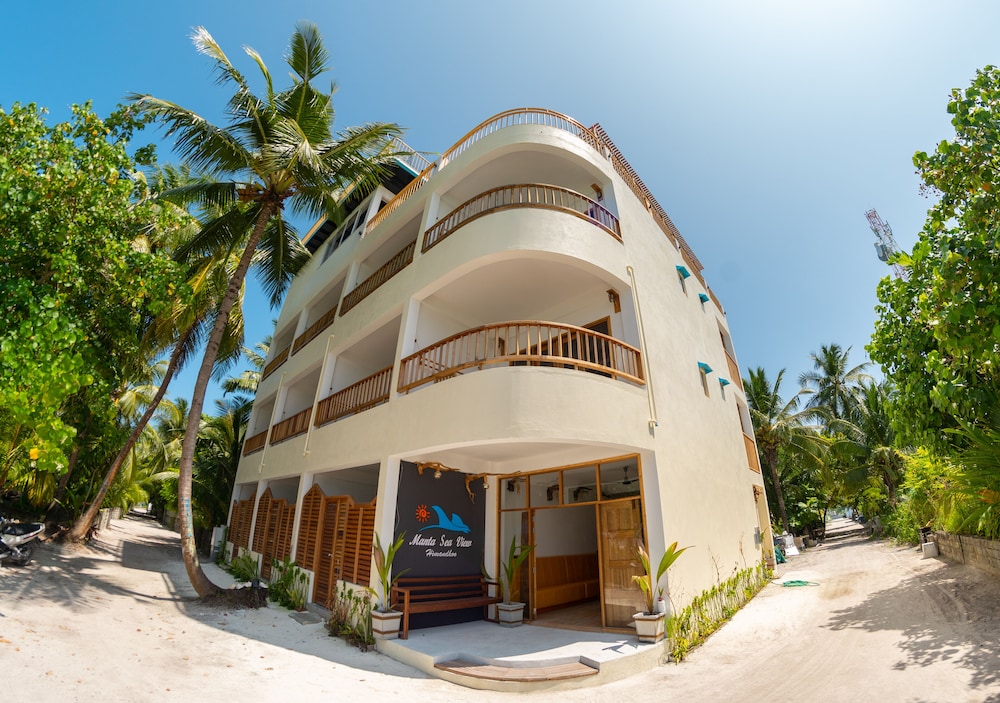
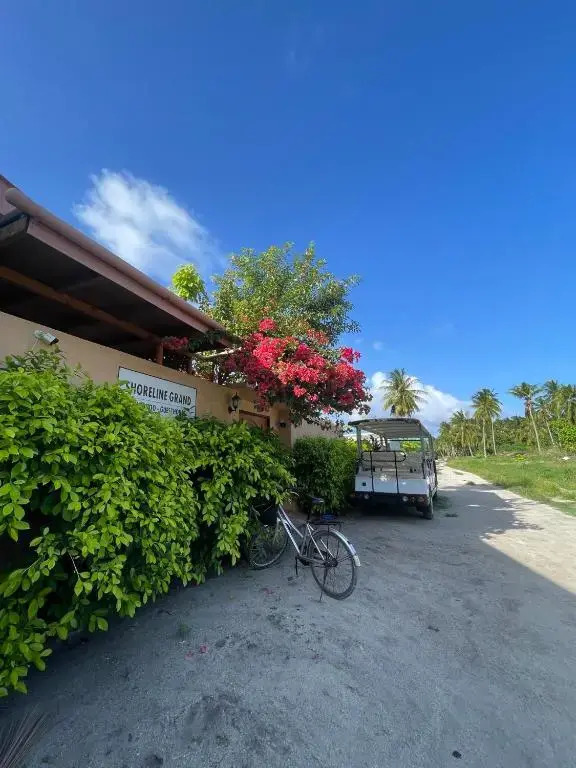
Where to stay
Hotels to consider
FAQ
Questions people ask
Is July a good time to visit the Maldives?+
July is low season with lower prices and fewer crowds, but expect rain and wind. It suits budget travellers and surfers. If you want guaranteed sunshine, consider January to April.
How much rain does the Maldives get in July?+
Average rainfall is around 160mm, but it varies by atoll. The south is wetter; the north is drier. Showers are often short and heavy, with sunny spells in between.
Which atolls are best in July?+
The northern atolls like Baa and Raa are drier, while the central atolls offer convenience. Addu in the south is less affected by the monsoon. Choose based on your budget and activities.
Are seaplane transfers reliable in July?+
They can be delayed due to wind and rain. Speedboats are more reliable but bumpy. Allow extra time for connections and consider travel insurance for weather disruptions.
What should I pack for July?+
Pack light, quick-dry clothing, a rain jacket, reef-safe sunscreen, and seasickness remedies. Bring insect repellent and a dry bag for boat trips. Don't forget snorkelling gear if you have it.
Is it safe to swim in July?+
Yes, but seas can be rough on exposed coasts. Swim in sheltered lagoons and heed local warnings. Strong currents are possible, so snorkel with a buddy and follow resort advice.
Can I still see manta rays in July?+
Yes, especially in Baa Atoll's Hanifaru Bay, where the plankton bloom attracts them. However, rough seas may limit access. Check with your resort for the best times.
What is the cheapest way to get around?+
Public ferries are cheapest but slow. Speedboats are faster but pricier. For multiple islands, book transfers through guesthouses. Domestic flights are an option for distant atolls.


