
The first thing to establish is which network a schedule belongs to. The public ferry system, operated under the MTCC banner, links Malé with atolls including Kaafu, Alif Dhaal and Vaavu on set weekly patterns, and it is cheap and slow. Resort and guesthouse speedboats are private, timed to flight arrivals, and priced per person. Domestic flights on carriers such as Maldivian connect Malé with Hanimaadhoo, Kadhdhoo and Gan. A timetable from one network tells you nothing about the others, and guesthouse websites often mix all three on a single page.
01
Three kinds of boat, three kinds of timetable
Public ferry timetables are the ones that reward careful reading. They typically list an island name, a departure day, a departure time and a return time, with different days operating different routes. The Malé public ferry terminal sits on Boduthakurufaanu Magu, a short walk from the fish market and the President's Office, and boats to Villimalé and Hulhumalé run at short, frequent intervals, while longer atoll routes might run two or three times a week. Read the day column before the time column, every time.
02
Reading times, days and the Friday problem
Most published Maldives timetables use 24-hour clock times, so a boat listed at 15:00 leaves in the mid-afternoon and one at 08:30 is a morning crossing. Times are local, and the Maldives keeps a single time zone, so there is no daylight-saving shift to worry about. Friday is the day to check hardest: many public ferries run a reduced or suspended Friday service, and some inter-atoll routes shift to Saturday instead. If your itinerary depends on arriving on a Friday, confirm the crossing directly with the operator rather than trusting a printed sheet.
Weather also edits the timetable in practice. The southwest monsoon, roughly May to November, brings rougher seas and occasional cancellations on exposed inter-atoll routes, while the northeast monsoon from December to April is calmer and more reliable for speedboat transfers. Build a buffer of a few hours before an international departure rather than the minimum, and if your guesthouse is on a far atoll, plan to reach Malé or Hulhumalé the day before your flight. That single habit removes most of the stress from ferry-dependent travel.
03
Matching the timetable to where you actually stay
Geography decides this more than any schedule. Hulhumalé is linked to Malé by frequent public ferry and by a causeway, making it the easiest base for a late arrival or an early flight; the crossing is short and runs into the evening. Villimalé, a fifteen-minute ferry from Malé, suits travellers who want a local island feel with the capital's services close by. Maafushi in South Kaafu is the busiest guesthouse island and has the most frequent scheduled speedboat links from Malé, which is why it absorbs so much of the mid-range demand.
Guesthouse islands further out, such as Dhigurah or Fulidhoo in Alif Dhaal and Vaavu, are served by a mix of public ferry and scheduled speedboat, with the speedboat costing considerably more and taking a fraction of the time. For a short trip, I would book a hotel on Hulhumalé or in Malé for the first night and take the morning speedboat out, rather than gambling on a same-day connection. For a week or more, an outer atoll is worth the slower public ferry, and the crossing becomes part of the trip.
04
Booking around the boat, not the other way round
When you compare hotels, check the transfer before the room. Ask the property which jetty or airport the transfer uses, whether it runs daily, and what happens if your flight lands after the last scheduled boat. A hotel that answers those three questions clearly is usually well run. On the booking side, searching by island rather than by atoll name returns better results, because the ferry timetables themselves are organised by island. Confirm whether your transfer is included or payable locally, and never assume a listed boat time will wait for a delayed flight.
For the final night, choose accommodation within easy reach of Velana International Airport. Hulhumalé has the widest choice and a short taxi or bus ride to the terminal, while Malé is a ferry plus a short drive away. Both beat a same-day dash from an outer atoll. Check-in times matter too: many guesthouses on local islands operate a 14:00 check-in, so a morning ferry can leave you waiting. Time your crossing to land in the afternoon, and the whole arrival feels calmer.
Where to stay
Hotels to consider
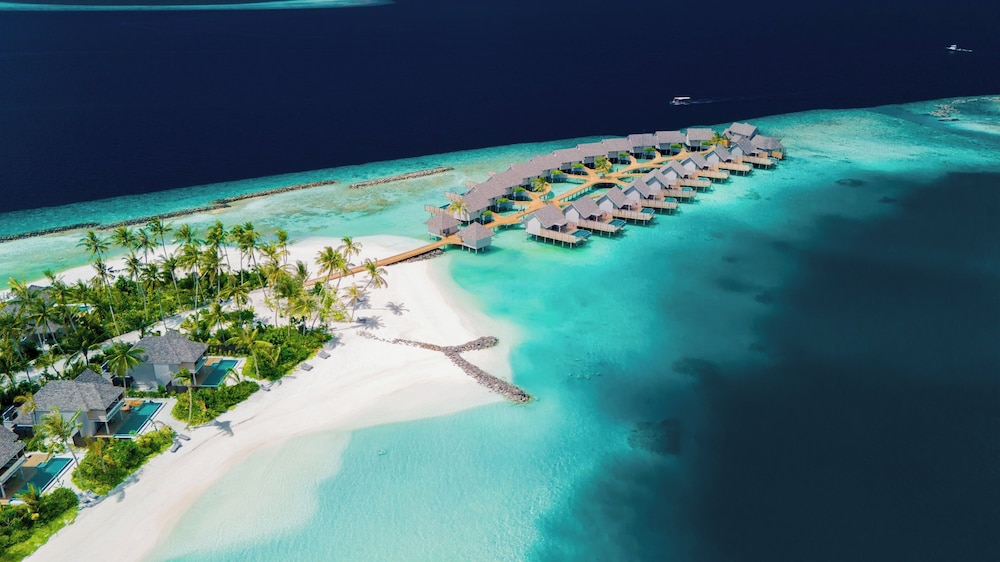
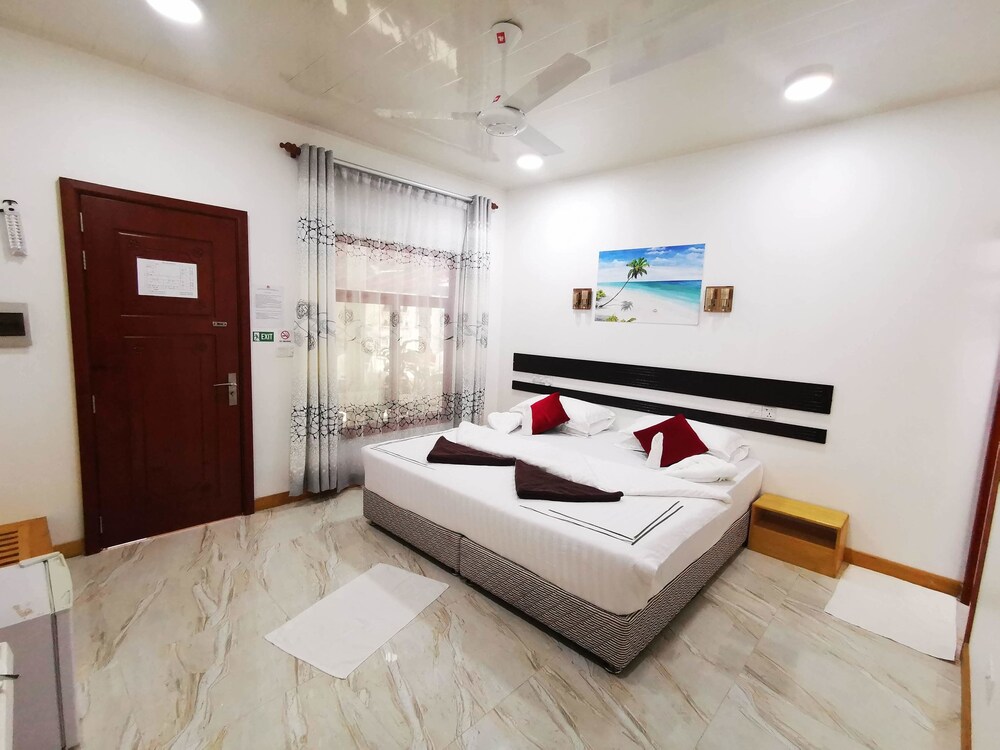
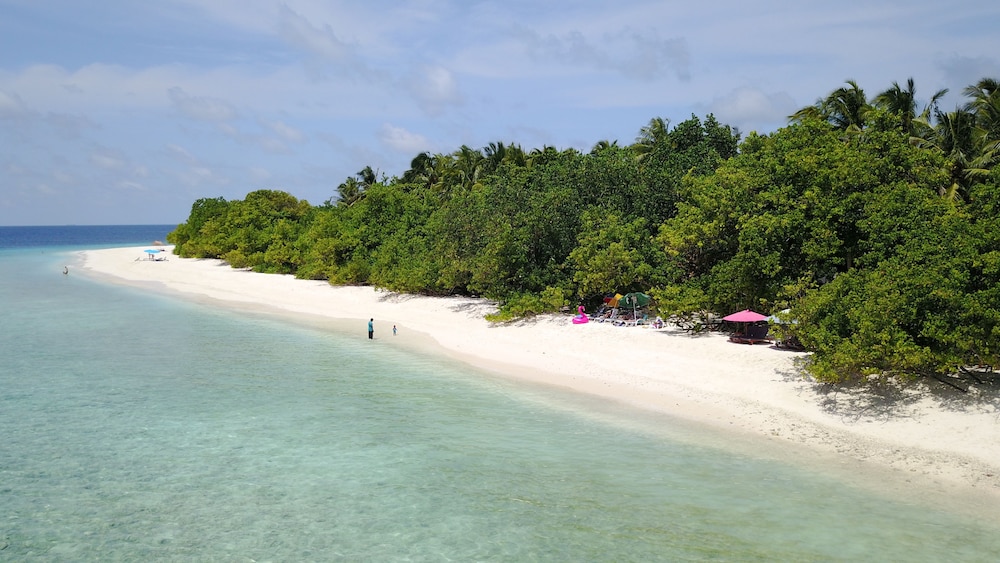
Where to stay
Hotels to consider
FAQ
Questions people ask
What is the difference between a public ferry and a speedboat in the Maldives?+
Public ferries are the MTCC-operated scheduled boats, inexpensive and slow, often with limited weekly frequency. Speedboats are privately run, faster, and priced per person, usually timed around flight arrivals. Your guesthouse should tell you which one serves the island you are booking.
Do Maldives ferries run on Fridays?+
Some do, some do not. Many public routes run a reduced Friday service and a few suspend entirely, shifting to Saturday instead. Always check the day column before the time column and confirm Friday crossings directly with the operator before you build an itinerary around one.
How far in advance should I book a resort or guesthouse transfer?+
For speedboat transfers, arrange it when you book the room, ideally several days ahead and certainly before you fly. Public ferries need no advance booking but do have capacity limits on busy routes. Give the property your flight number so they can match the transfer to your arrival.
Which island is easiest to reach from Malé?+
Hulhumalé is the simplest, connected by frequent public ferry and a causeway, with the airport at its edge. Villimalé is a short hop across the water, and Maafushi in South Kaafu has the most frequent scheduled speedboat links, which makes it the busiest guesthouse island.
When is the best time of year for ferry travel in the Maldives?+
The northeast monsoon, December to April, brings calmer seas and more reliable crossings. The southwest monsoon from May to November can mean rougher water and occasional cancellations on exposed inter-atoll routes, so allow more buffer around international flights in those months.
How long does the public ferry take from Malé to the outer atolls?+
It varies widely by route, from under an hour to several hours on longer inter-atoll crossings, with some routes running only two or three times a week. Public ferries are slow but cheap; a scheduled speedboat covers the same distance in a fraction of the time at a higher price.
What happens if my flight is delayed and I miss the last boat?+
Ask the property in advance what the fallback is. Some hold transfers for delayed flights, others will not. For late arrivals, a first night in Hulhumalé or Malé and a morning crossing is the reliable option, and it is the arrangement I would book.
Should I stay near the airport on my last night?+
Yes, if you are coming from an outer atoll. Hulhumalé has the widest choice of accommodation and is minutes from Velana International Airport, while Malé is a short ferry plus a drive away. Both remove the risk of a same-day dash to your flight.


